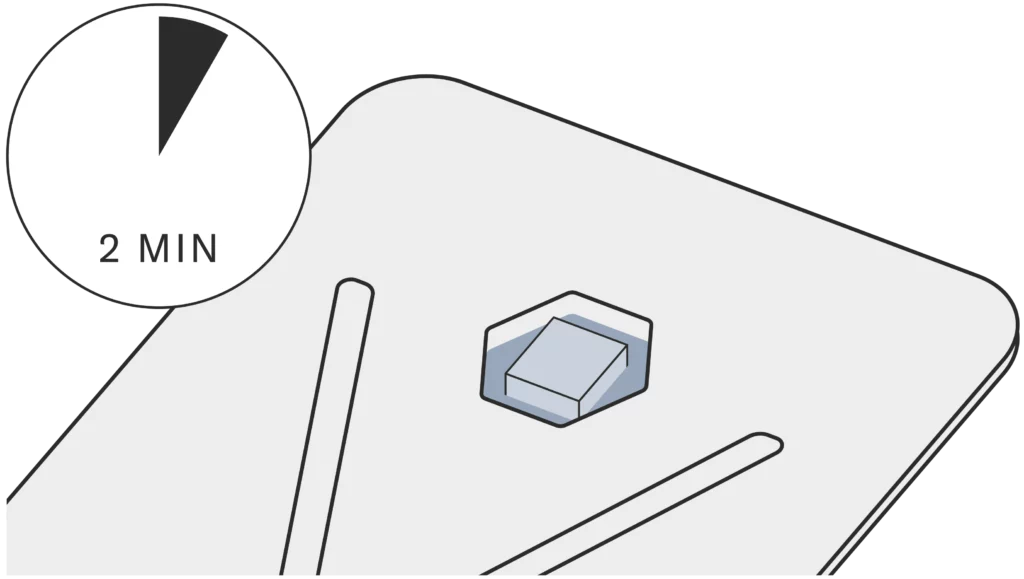
Treats early caries in less than 3 minutes via Guided Hydroxyapatite Generation* throughout the depth of the lesion.
Now easier and faster to use!
Contact us for more information
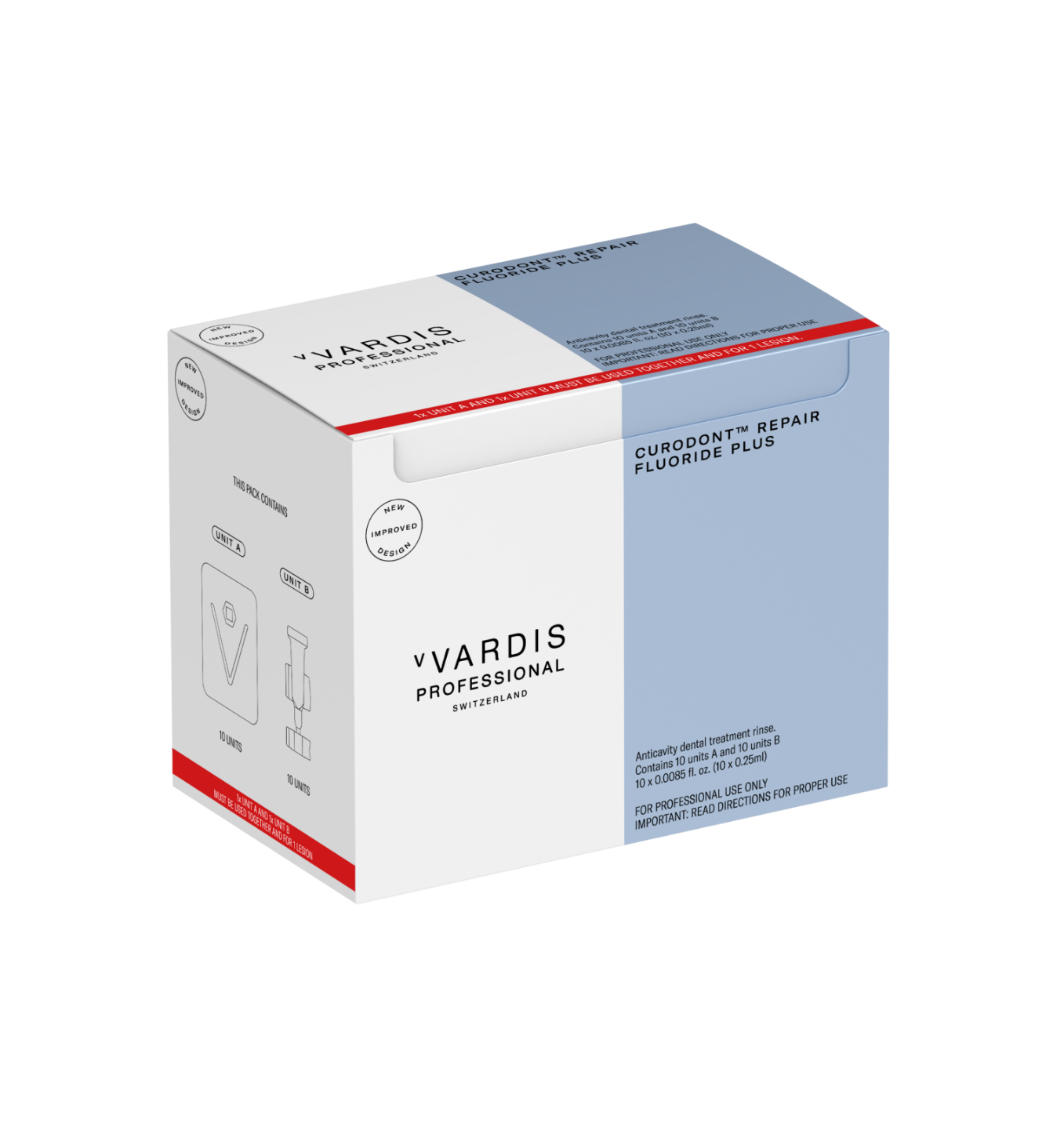
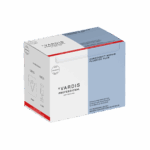
Contains 10 units A and 10 units B
10 x 0.0085 fl. oz. (10 x 0.25 ml)
USE
Professional product, for in-office use only.
Sodium Fluoride, Water, Chlorhexidine diglucconate, Tromethamine, Trehalose Dihydrate, Oligopeptide-104, Hydroxypropyl Methylcellulose
USE
In office
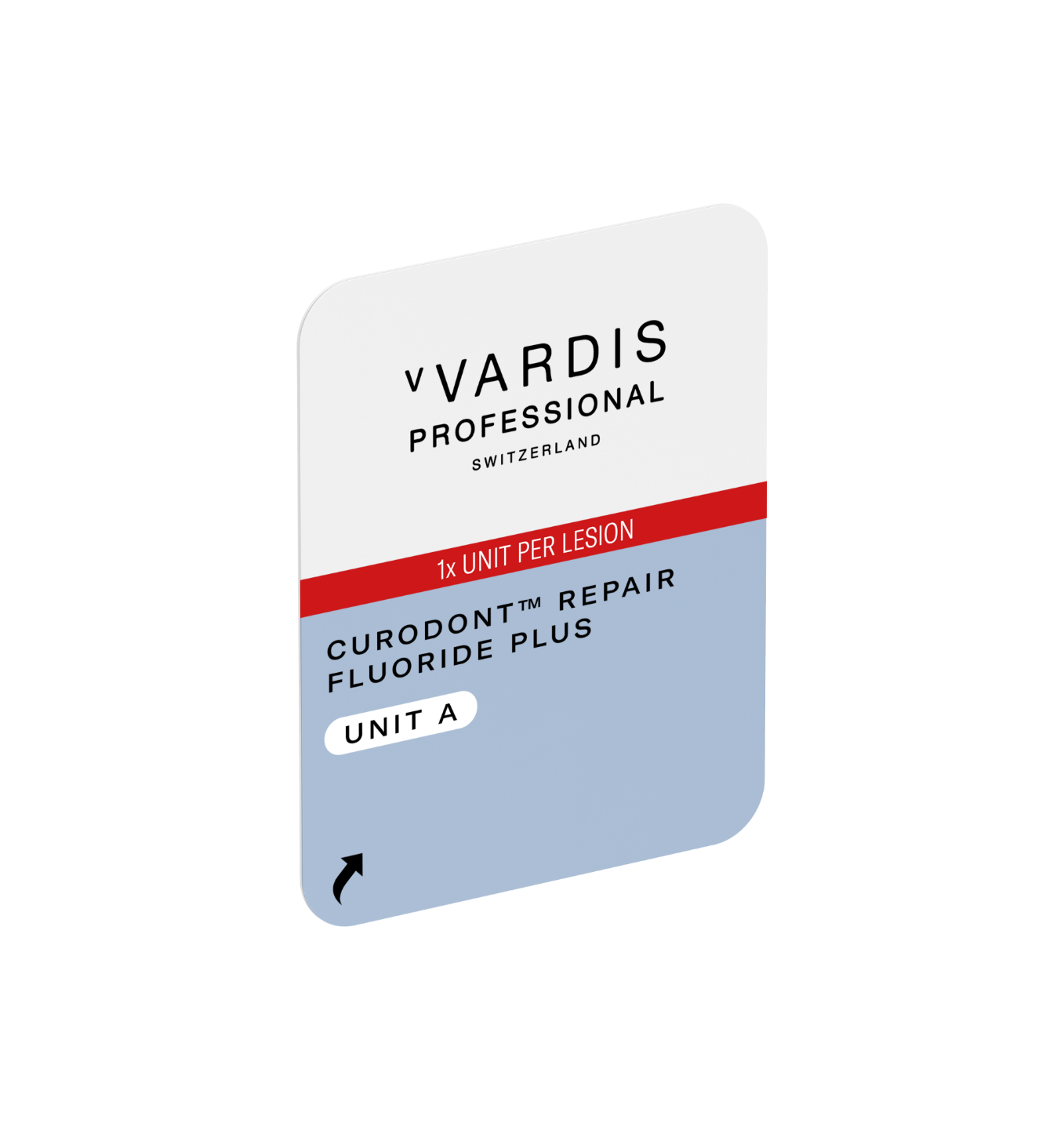
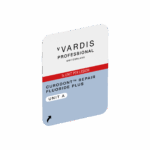
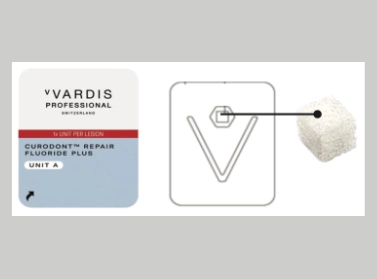
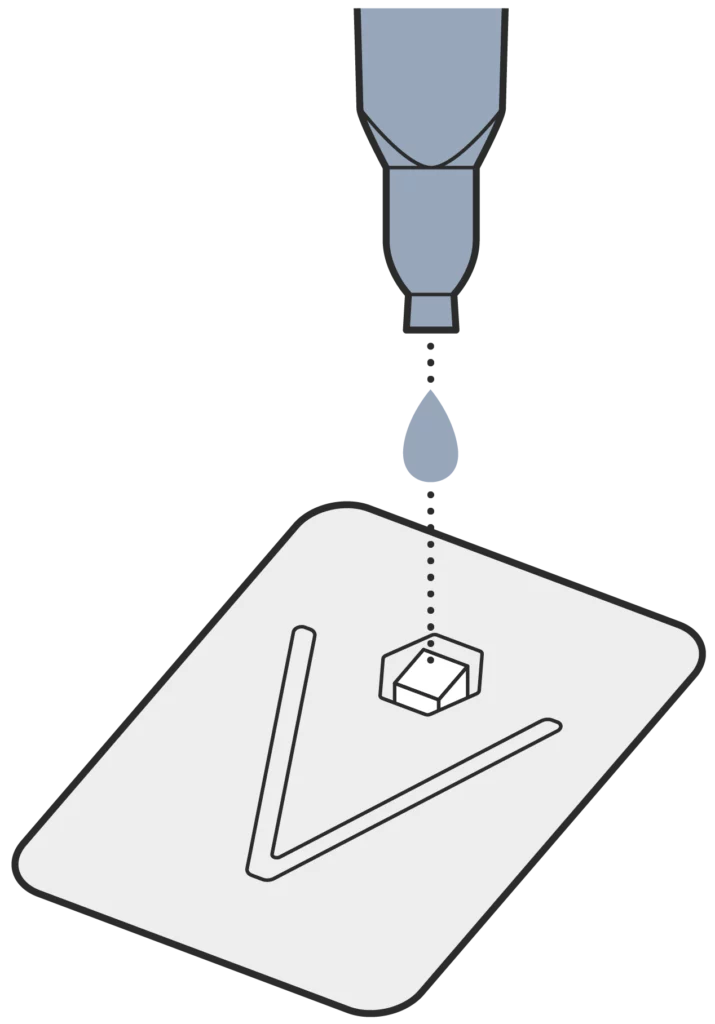
UNIT A: 10 blisters with one sponge each
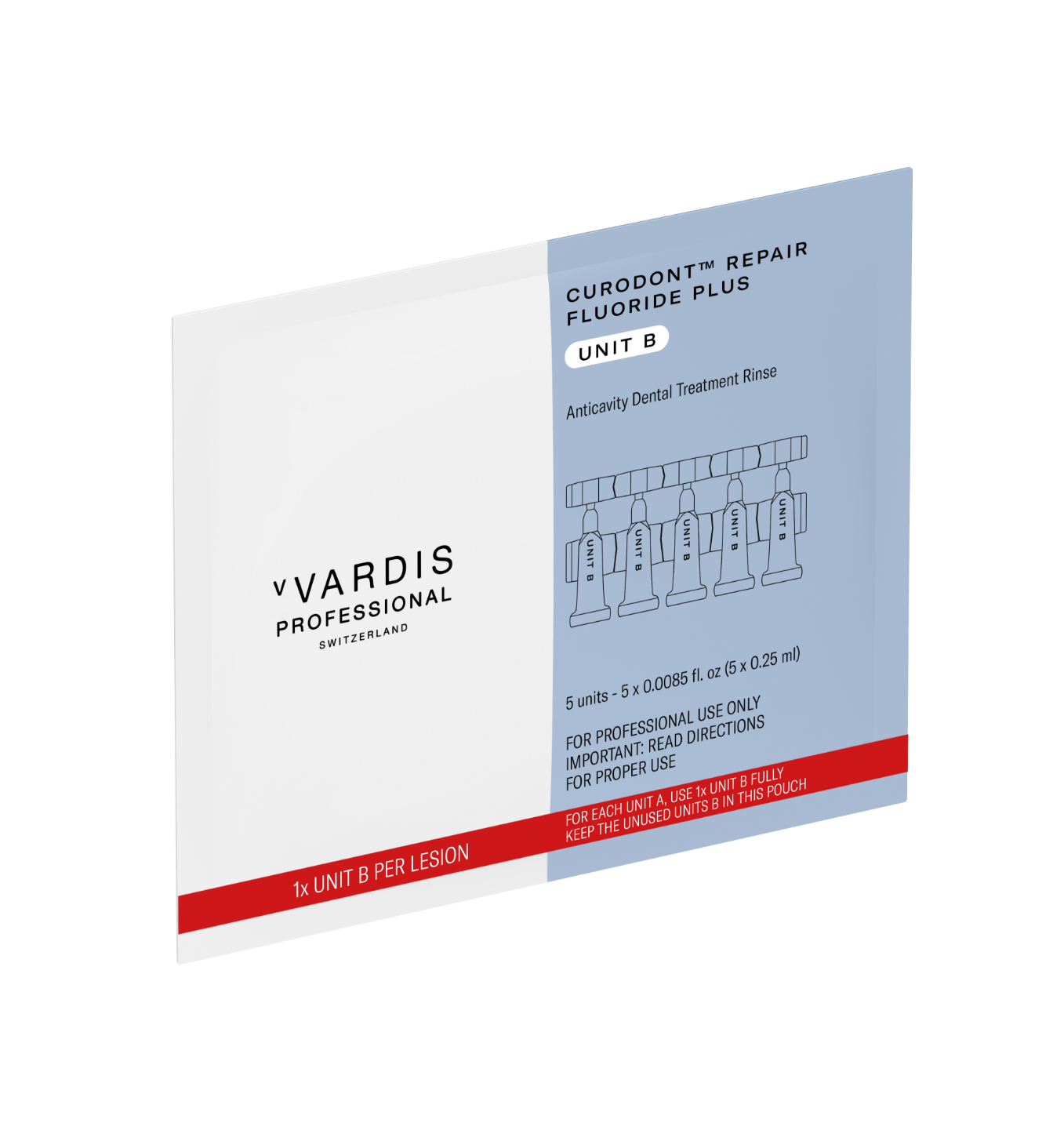
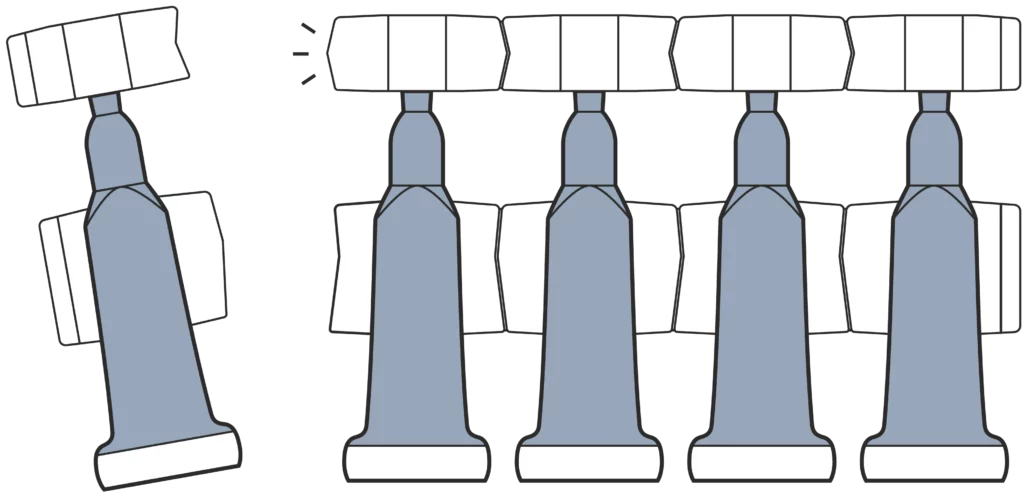
UNIT B: 2 pouches with five droppers each
Instructions Card
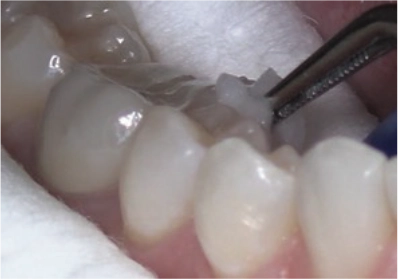
Precise targeted application with new sponge
Improved access, more maneuverability and tactile feedback
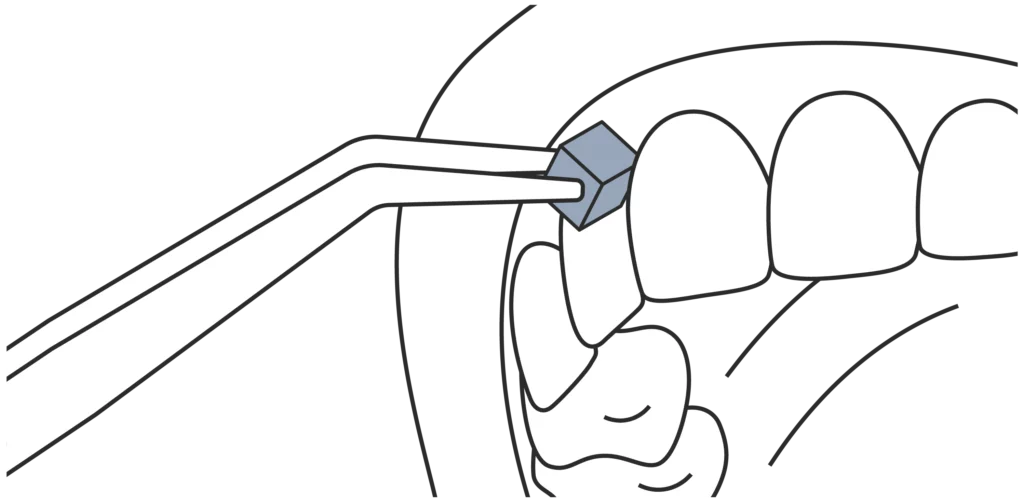
Use your cotton pliers or another suitable instrument to pick up the sponge
No waiting time
In as little as 3 minutes
Ease of workflow integration
IN-DEPTH TREATMENT
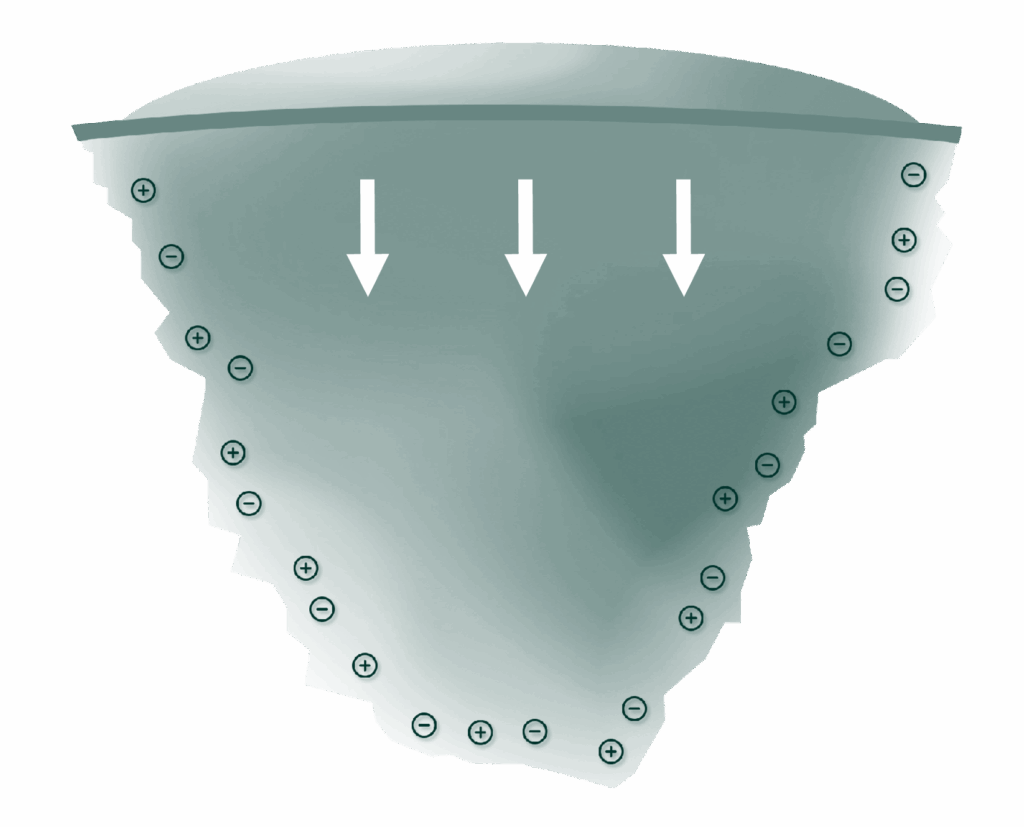
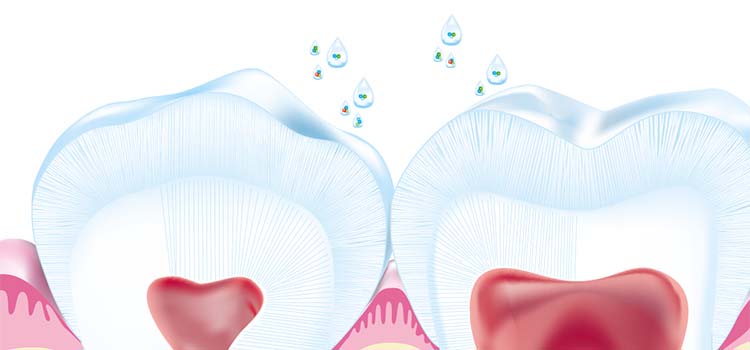
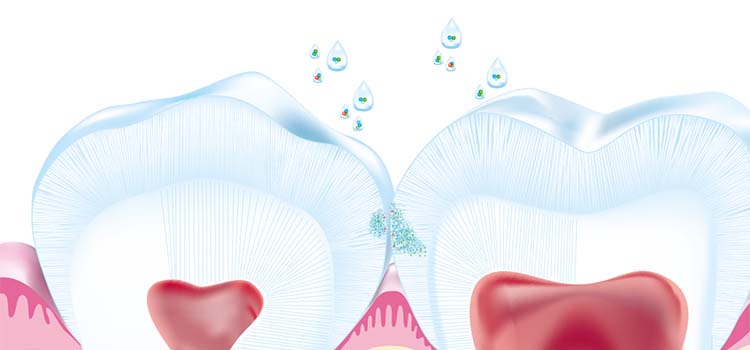
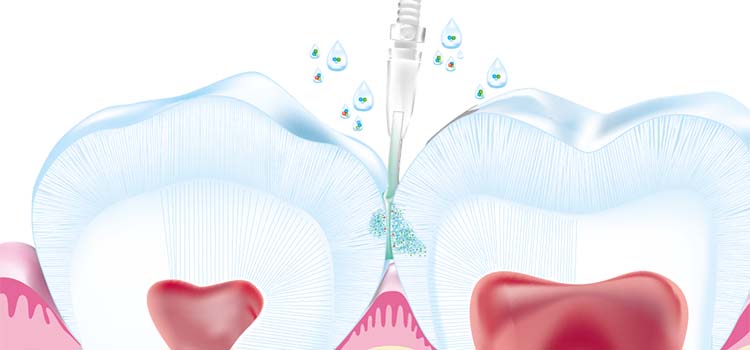
Guided Hydroxyapatite Generation* throughout the depth of the lesion
Our proprietary biomimetic formulation disperses throughout the depth of the lesion.
Mimicking nature, Curodont treats the early-stage carious lesions by restoring lost minerals together with calcium and phosphate from saliva.
This allows for the opportunity to preserve the natural tooth structure – without the need for drilling, injections, or artificial filling materials.
*Also referred to as Guided Enamel Repair
Interproximal early carious lesion in the aesthetic zone
50-year-old male patient
Courtesy: Dr. Gavin Miller
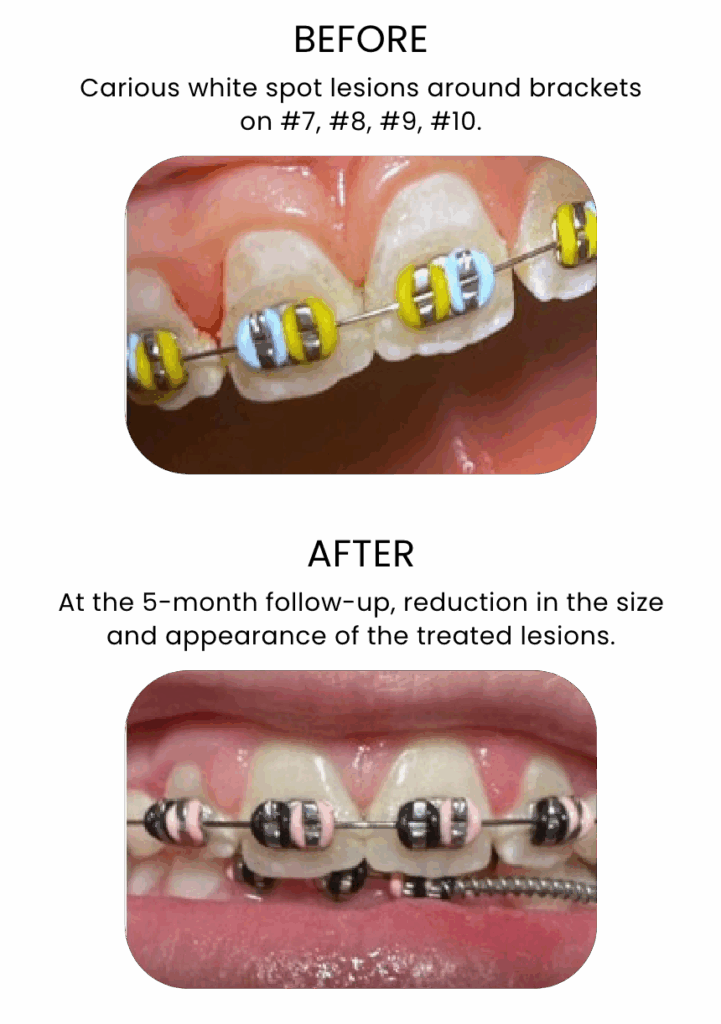
White spot lesions during fixed orthodontic therapy
10-year-old female patient
Courtesy: Misty Mattingly, RDH
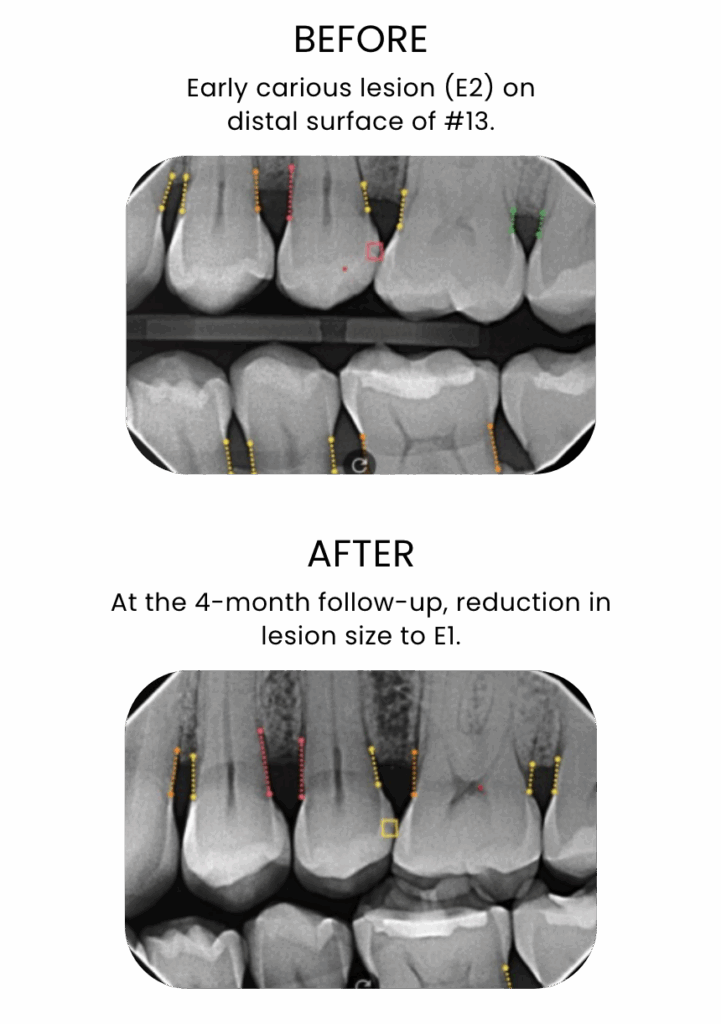
Interproximal early carious lesion interpreted with AI
50-year-old male patient
Courtesy: Dr. Rebecca Pounds
These results may not be typical. Individual results may vary.
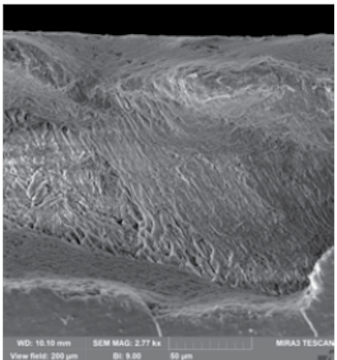
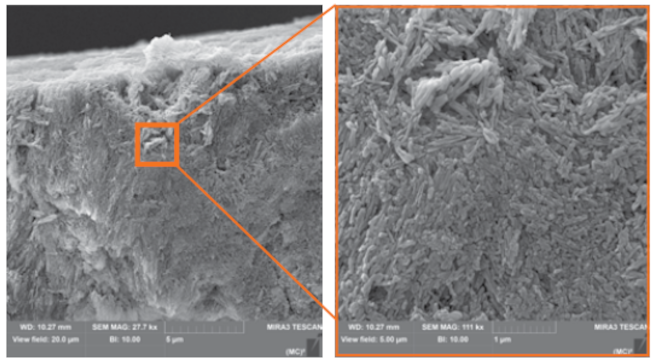
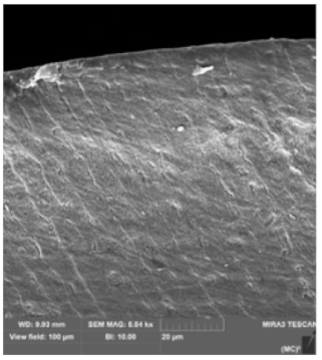
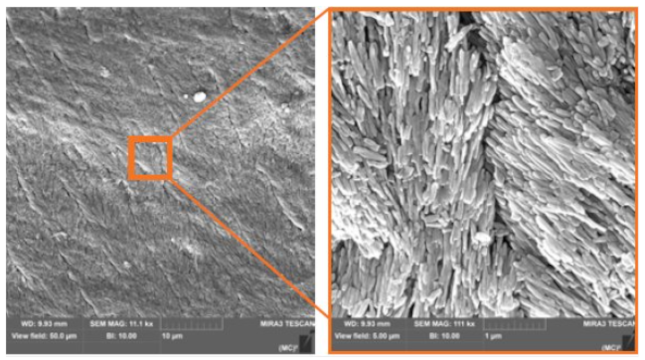
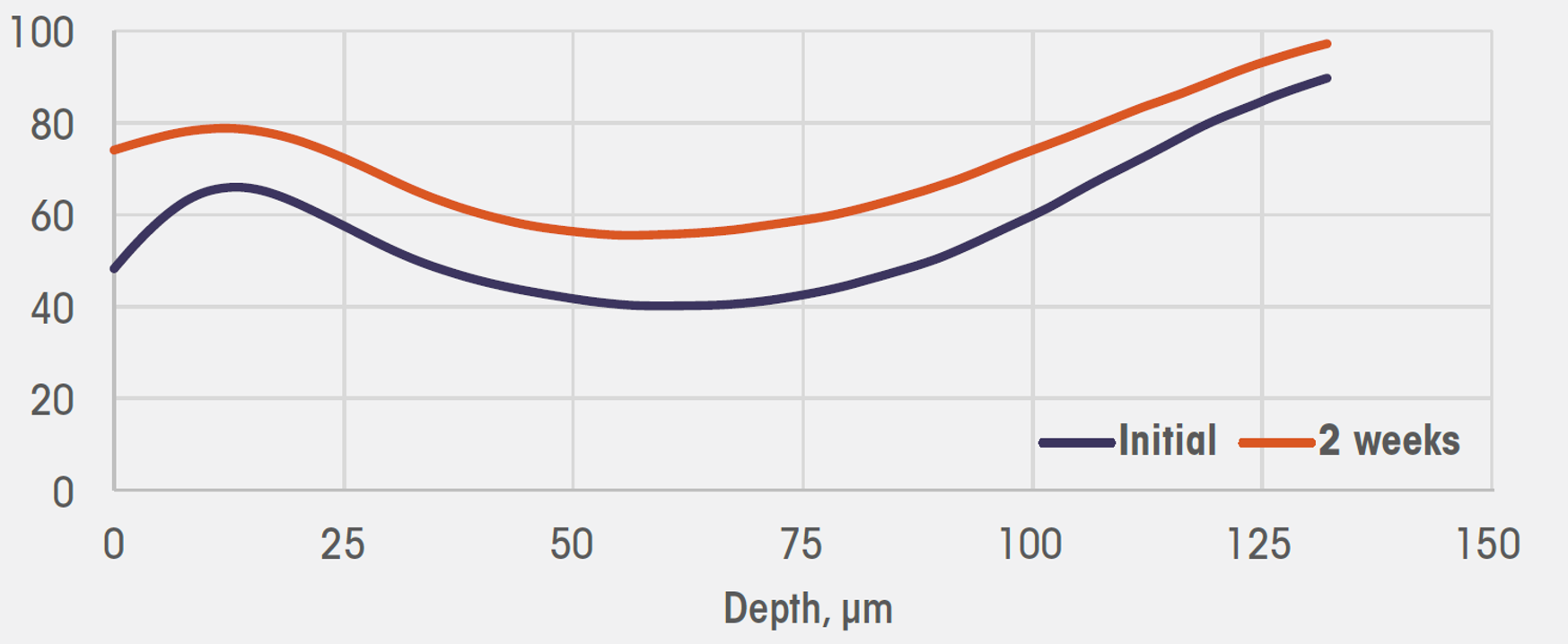
A recent in vitro study (n=3) evaluated the effect of treating early caries lesions with one application of CurodontTM
and demonstrated hydroxyapatite generation throughout the depth of the lesion within as little as 2 weeks
A statistically significant average increase of 15% in mineral density throughout the lesion was observed within only 2 weeks (p<0.001)***, independently of the lesion depth
An exemplary depth profile up to 90% of the initial lesion.
Depth was measured at 20um, 50um and full depth (100um).
In all cases, a statistically significant increase in mineral density seen throughout the lesion.
***The p-value is calculated based on averages and standard deviations which allows to draw a conclusion on statistical significance.
Data on file (2025), vVARDIS funded in vitro study
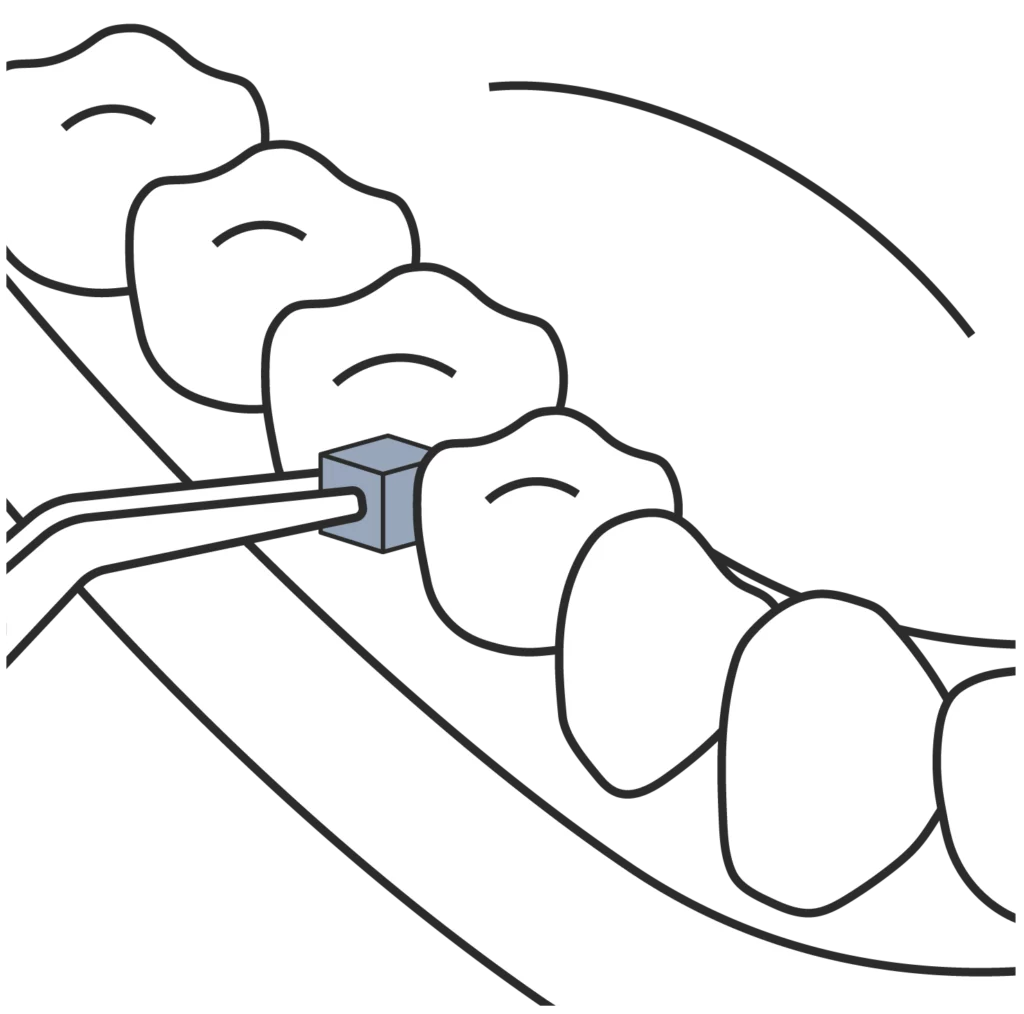
For interproximal application, apply from the lingual embrasure followed by the buccal embrasure.
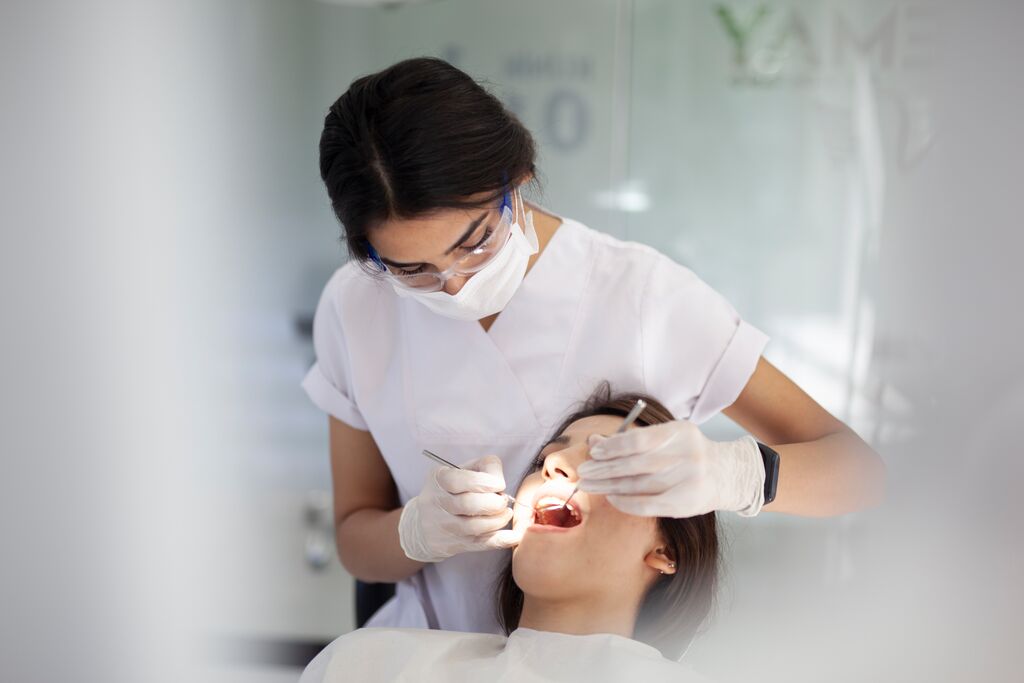
The non-invasive therapy with CURODONTTM REPAIR FLUORIDE PLUS (CRFP) is as safe as its application is easy. The entire process of applying CRFP is completed within 8-10 minutes, without drilling, anesthesia, or pain.
PREPARATION
APPLICATION
CURODONTTM REPAIR FLUORIDE PLUS is a locally applied formulation for the in-office management
of early, non-cavitated caries lesions (watch areas).
The proprietary formulation of CURODONTTM REPAIR FLUORIDE PLUS diffuses throughout the early carious lesion (watch area) and, together with calcium and phosphate from saliva, repairs enamel. Over time, CURODONTTM REPAIR FLUORIDE PLUS repairs the lesion, enabling preservation of the natural tooth.
CURODONTTM REPAIR FLUORIDE PLUS is a low-viscosity liquid material that can be used to repair early, non-cavitated carious lesions. These lesions often appear as white spots (and, occasionally, brown) on buccal and occlusal surfaces. For proximal lesions, which may not be visually accessible, radiographs and/or advanced diagnostic measures, such as laser fluorescence, fiber-optic transillumination, impedance measurement, etc. may be used.
CURODONTTM REPAIR FLUORIDE PLUS works on early, non-cavitated carious lesions (watch areas). Cavitated lesions, which represent an advanced stage of the carious process, must be treated with restorations that require drilling of the tooth. Detection and treatment of caries in their incipient stages with CURODONTTM REPAIR FLUORIDE PLUS can stop their progression to cavitated lesions.
CURODONTTM REPAIR FLUORIDE PLUS can be used for treatment of early, non-cavitated carious lesions on all tooth surfaces. Therefore, the range of lesions that be treated using CURODONTTM REPAIR FLUORIDE PLUS, according to popular classification systems, include:
i. E1 and E2 lesions(according to E0-E2, D1-D3 notation system). Occasionally, D1 lesions may be treated, only if they are not cavitated.
[Anusavice K. Present and future approaches for the control of caries. J Dent Educ. 2005;69(5):538-854.]
ii. D1 and D2 lesions. Occasionally, D3 lesions may be treated only if they are not cavitated
[Marthaler TM: A standardized system of recording dental conditions. Helv Odontol Acta 1966;10:1–18.]
iii. Score 1, score 2, and score 3 (according to ICDAS II scoring system).
[https://iccms-web.com/uploads/asset/592848be55d87564970232.pdf. Accessed 01/02/2022]
If the carious lesion is in the form of a microcavity (ICDAS score 3), CURODONTTM REPAIR FLUORIDE PLUS may be used, but will not fill the microcavity.
If frank cavitation is present, which means a hole has developed in the tooth due to the decay, removal of the caries and a restoration to fill the cavity is needed. CURODONTTM REPAIR FLUORIDE PLUS is not indicated for such lesions.
Caries is the most prevalent oral disease* that begins with superficial demineralization of the enamel and, if not treated, can progress and lead to irreversible loss of tooth structure. In its advanced stages, when it has progressed to the middle or inner thirds of dentin, the carious lesions may become cavitated. Once a cavity develops, the only resort is to restore it with an artificial material. Intervening when the carious lesion is still in its incipient stages could potentially prolong the life of a tooth. CURODONTTM REPAIR FLUORIDE PLUS can be used to non-invasively treat early caries and help stop progression.
* Global, regional, and national incidence, prevalence, and years lived with disability for 354 diseases and injuries for 195 countries and territories, 1990–2017: a systematic analysis for the Global Burden of Disease Study 2017. Lancet 2018; 392: 1789–8583
Yes, CURODONTTM REPAIR FLUORIDE PLUS can be used in patients at high risk for developing caries. However, in such cases, a strict regimen of regular recalls and reinforcement of oral hygiene measures must be adopted.
No. The use of a rubber dam is not necessary, though it is the clinician’s decision whether to use a rubber dam. Basic aids such as cotton rolls and a saliva ejector are sufficient.
In many cases, one application of CURODONTTM REPAIR FLUORIDE PLUS is sufficient to treat one lesion.
If deemed necessary by the clinician, the application may be repeated such as in high-risk cases.
CURODONTTM REPAIR FLUORIDE PLUS, with 500 PPM of sodium fluoride as the active ingredient, has no reported side effects. It has been used on over 1 million teeth and over 400,000 teeth in the USA* with no reported adverse events. We recommend regular dental appointments to detect caries in the early stages and their non-invasive management using CURODONTTM REPAIR FLUORIDE PLUS.
*Data on file
CURODONTTM REPAIR FLUORIDE PLUS is a proprietary formula that treats early caries by Guided Enamel Repair. Sodium Fluoride is also known to be an effective remineralization agent. The speed with which the effect is seen depends on a number of patient behavioral and environmental factors, such as oral hygiene maintenance, quality of saliva, dietary habits, etc. Many patients see lack of caries progression and repair after one application.
CURODONTTM REPAIR FLUORIDE PLUS addresses early caries non-invasively through Guided Enamel Repair. In this process, the white appearance of the lesions may fade to a significant extent but might not completely disappear. Additionally, CURODONTTM REPAIR FLUORIDE PLUS is not intended to treat cosmetic white spots.
Immediately after the application of CURODONTTM REPAIR FLUORIDE PLUS, the patient should refrain from eating, drinking or rinsing for 30 minutes. Routine oral hygiene measures including brushing with fluoridated toothpaste twice a day should be followed. Additionally, and especially, in cases with early interproximal caries, interdental flossing must be performed after meals to ensure the cleanliness of the area.
Yes, CURODONTTM REPAIR FLUORIDE PLUS can be used on early caries developing around bonded brackets. Patients undergoing fixed orthodontic treatment are at an increased risk of developing caries, due to difficulty in oral hygiene maintenance. Since the use of CURODONTTM REPAIR FLUORIDE PLUS does not require the placement of a rubber dam or any finishing and polishing procedures, it can easily be used around bonded brackets.
The demineralized state of early carious lesions provides the right environment for the CURODONTTM REPAIR FLUORIDE PLUS proprietary formula to work. CURODONTTM REPAIR FLUORIDE PLUS is not indicated for use in cosmetic white spots or those that have a non-bacterial etiology.
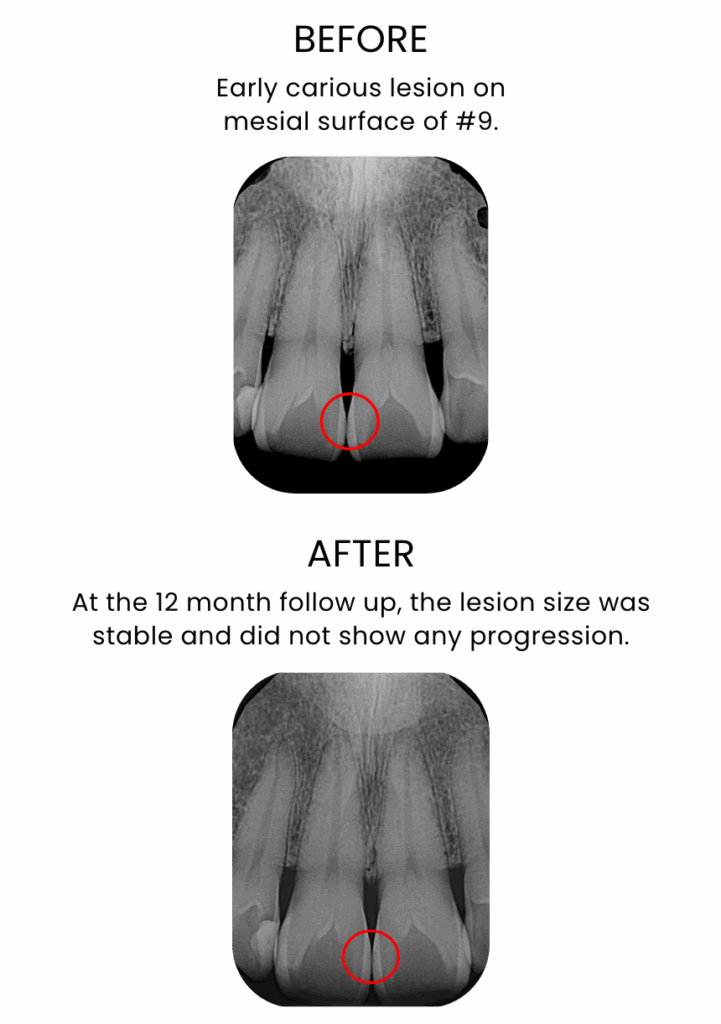
Success with CURODONTTM REPAIR FLUORIDE PLUS is the lack of progression of a treated early carious lesion. This can be seen either as stability in the lesion size or as the reduction in the size and depth of the lesion over time. The ‘whiteness’ of carious white spot lesions may reduce but might not completely regain the appearance of sound enamel. Thus, it is important to treat these lesions with CURODONTTM REPAIR FLUORIDE PLUS as early as possible to obtain the optimal desired outcome.
While CURODONTTM REPAIR FLUORIDE PLUS is not bactericidal, its proprietary formula helps attract calcium and phosphate found in the saliva to help replace lost hydroxyapatite in the early carious lesions. These minerals are delivered to the lesion to repair early caries and help stop their progression.
*Also referred to as Guided Enamel Repair
**Based on user evaluation with N = 30 GPs and hygienists applying product on a phantom head following protocol
*** State dependent
**** Children under 6 years of age: consult a dentist or doctor.
REQUEST MORE INFORMATION